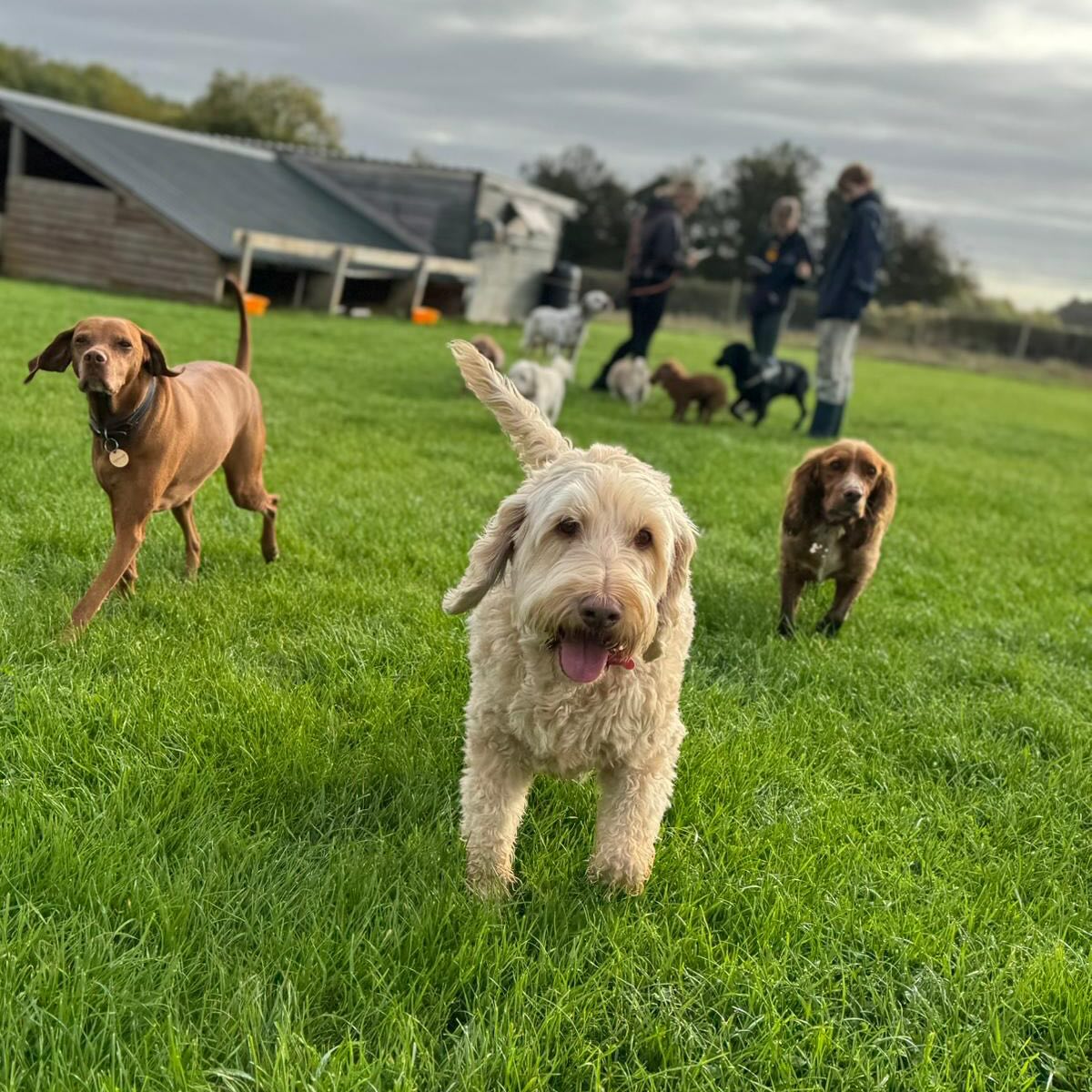
For dogs left alone for 6 hours or more each day, a quick pop-in visit or a 45-minute walk (or worst a 15 minute potty break for puppies) simply cannot meet their full emotional, mental and social needs. Dogs are highly social, intelligent animals that thrive on companionship, structure, enrichment and consistent interaction. Long periods of isolation can contribute to boredom, frustration, separation anxiety, destructive behaviours, excessive barking, depression, stress-related habits, and a decline in confidence and emotional wellbeing; and I always wonder why puppies are isolated to a 15minute pop in service by dog walkers, as if that’s the right advice and care.
∙ Check out The Doggy Playschool here ∙
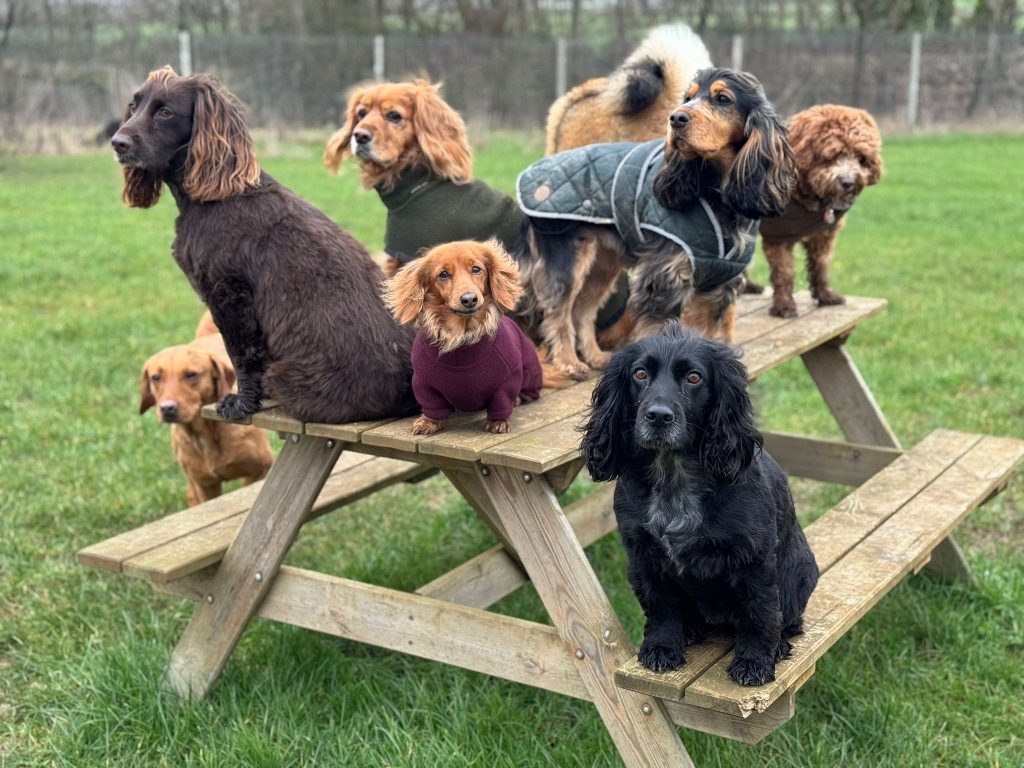

A typical single 60-minute walk may offer temporary physical release, (and absolutely better than nothing) but once that walk is over, many dogs are returned to another long stretch of loneliness and inactivity. This care was simply not good enough for my high energy Spaniels hence Doggy Playschool was born.
Professional daycare provides something entirely different — continuous company, supervised interaction, mental stimulation, routine, nurture, play, rest, reassurance and purposeful engagement throughout the day. It supports a dog’s emotional regulation, confidence, social skills and overall happiness in ways a £15 walk simply cannot replicate.
True daycare is about far more than exercise. It offers dogs the opportunity to learn appropriate social behaviours, experience carefully managed enrichment, build positive relationships with trained carers, and remain emotionally settled throughout the day.
Dogs are not designed to simply “wait out” the day for their tired and stressed owners to return home. They need connection, stimulation and attentive care.
Consistent, structured daycare provides that security and fulfilment, helping dogs return home calmer, more content, mentally satisfied and emotionally balanced AND allows their owners the ability to get home relax and give their happy dogs a cuddle in the knowledge their dog has had a full day of company.
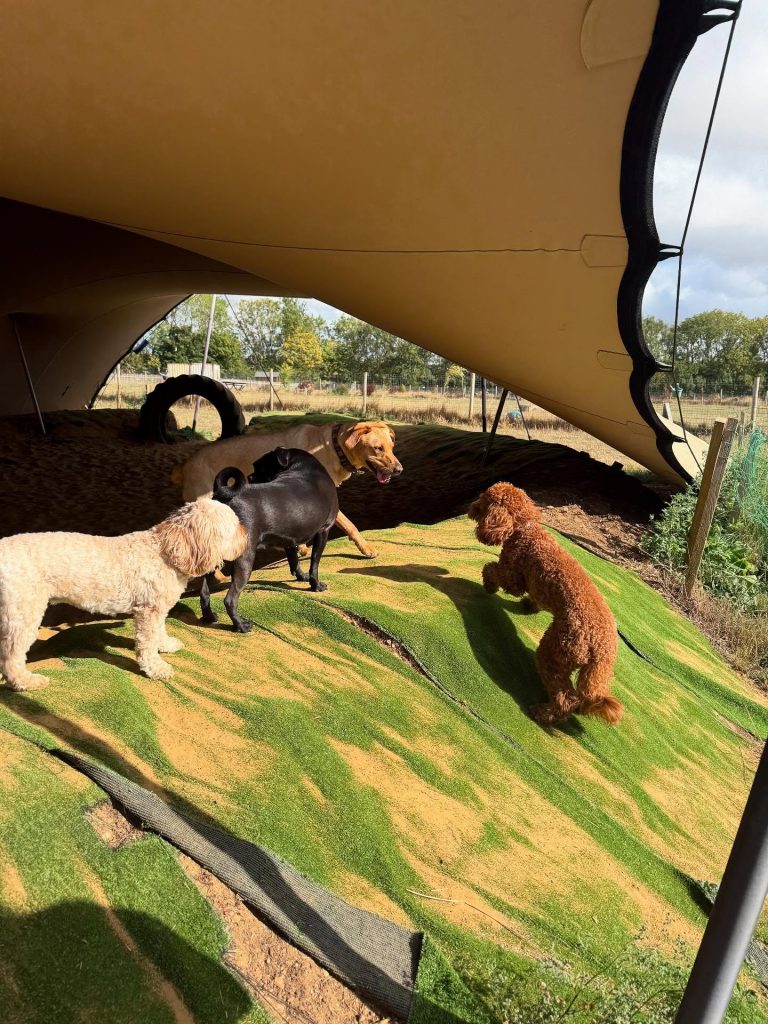
The growing concern around unregulated dog walking
The rapid rise of informal dog walking businesses has created understandable concern within the industry. Increasingly, dog owners are being asked to place enormous trust in individuals with little professional training, limited canine behavioural understanding, and no formal emergency handling procedures.
Social media has made it incredibly easy for anyone to advertise themselves as a dog walker, regardless of experience or practical knowledge. While many individuals start with the best intentions, getting experience with a friend or neighbours’ dog with a good recommendation- good intentions are not the same as professional competence — especially when multiple dogs are involved.
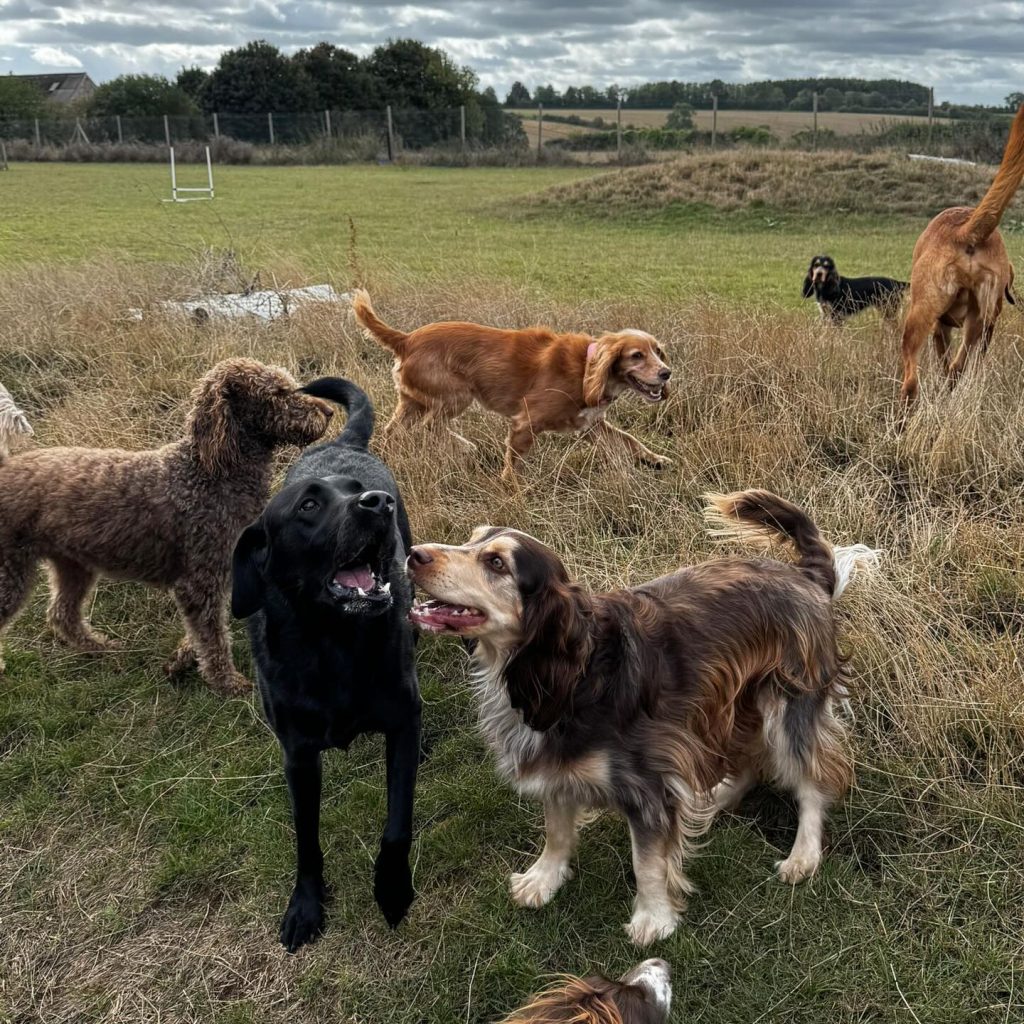
This is exactly why many districts are now rightly introducing limits on pack sizes. Managing a group walk safely requires far more than holding several leads. It requires advanced pack management skill, emergency preparedness, route risk assessment, canine first aid knowledge and the ability to make split-second decisions under pressure.
Ask the difficult questions. Does the walker carry a fully stocked canine first aid kit? Do they have specialist equipment to safely transport an injured dog back to the vehicle if a dog becomes unable to walk? Could an emergency Vet reach them quickly? If one dog collapses, is injured, escapes, or requires urgent attention, what happens to the rest of the pack? If a dog fight breaks out, do they have the training and physical capability to safely intervene? If a dog is stolen, spooked by traffic, or slips equipment, what is the emergency protocol? These are not hypothetical concerns — these are real risks that every professional should be prepared for.
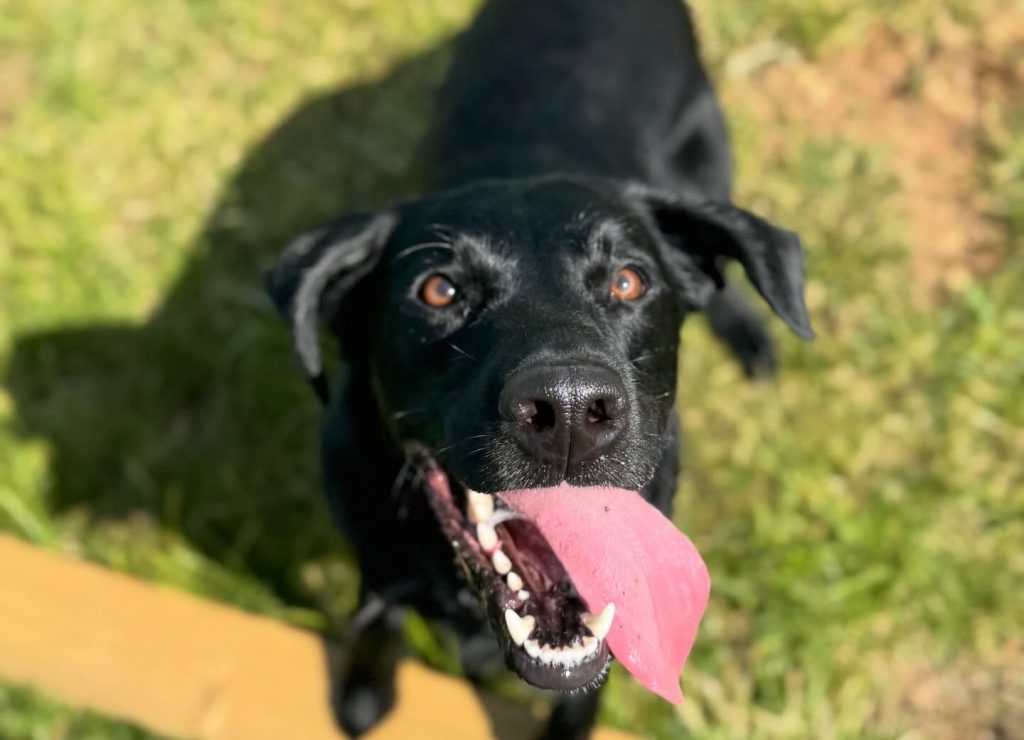

When “safe” isn’t always what it seems
Another growing trend is the use of hired secure fields as a substitute for genuine structured enrichment and walking.
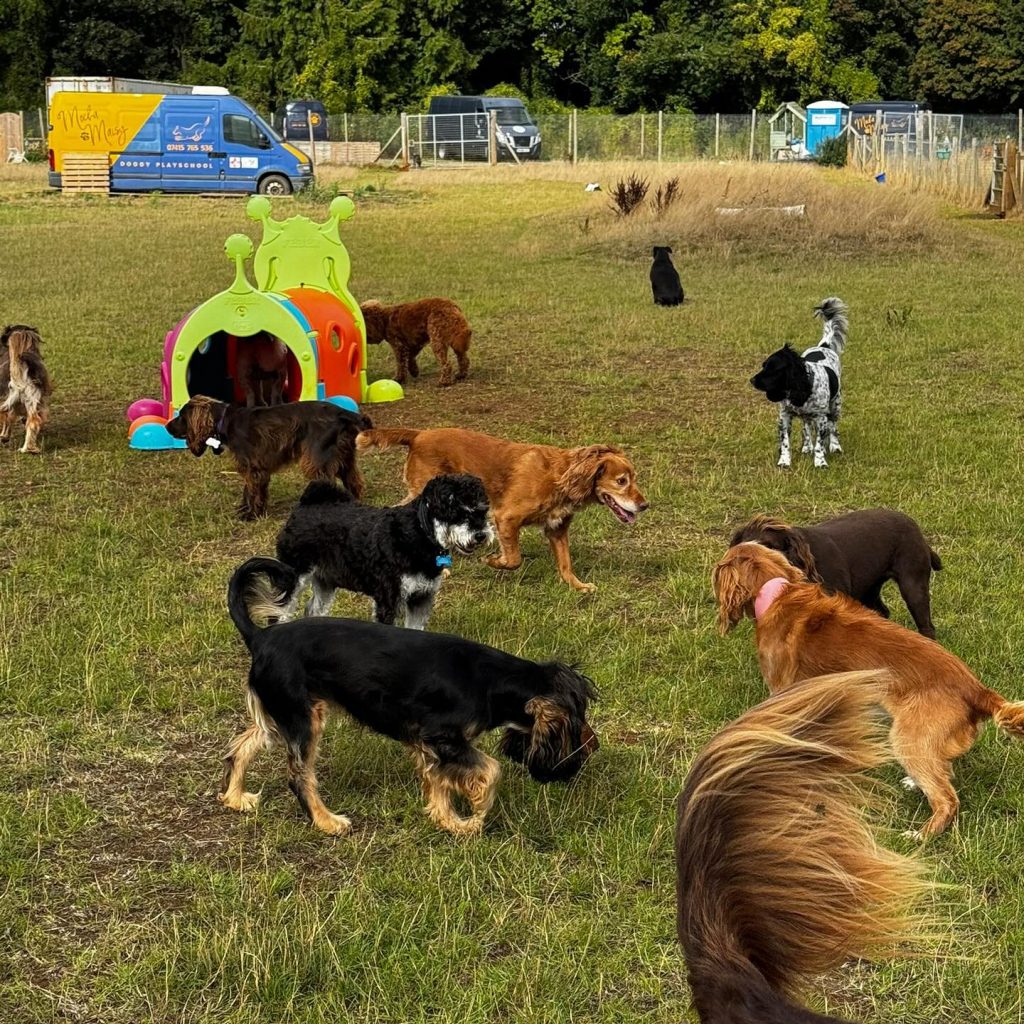
While secure fields can absolutely have a place when used correctly, too often dogs are simply unloaded into an enclosed space with minimal engagement, little meaningful exercise, and very limited mental stimulation. A field with a tunnel and platform may look impressive on social media and photos to the owner, but if dogs are largely left to wander or sit around for 45 minutes, this is not purposeful care.
Many owners understandably believe they are paying for quality exercise and enrichment, when in reality their dog may simply be spending time in a contained area without the structured stimulation, social development or professional guidance they need. Dogs deserve more than passive containment. They deserve thoughtful engagement, tailored exercise, mental challenges, attentive supervision and care designed around their individual needs.
Every owner has different budgets, and every dog has different needs — but when choosing care, the real question should always be: is this simply convenient, or is it genuinely what my dog deserves? Get in touch with The Doggy Playschool HERE.